


Programmable Serial I/O Module for APx B Series Audio Analyzers
The Programmable Serial I/O (PSIO) module is the direct result of feedback from customers working on digital audio interfaces and provides lower logic voltages, improved signal integrity, and a re-engineered serial interface for high-speed, low-power digital audio devices.
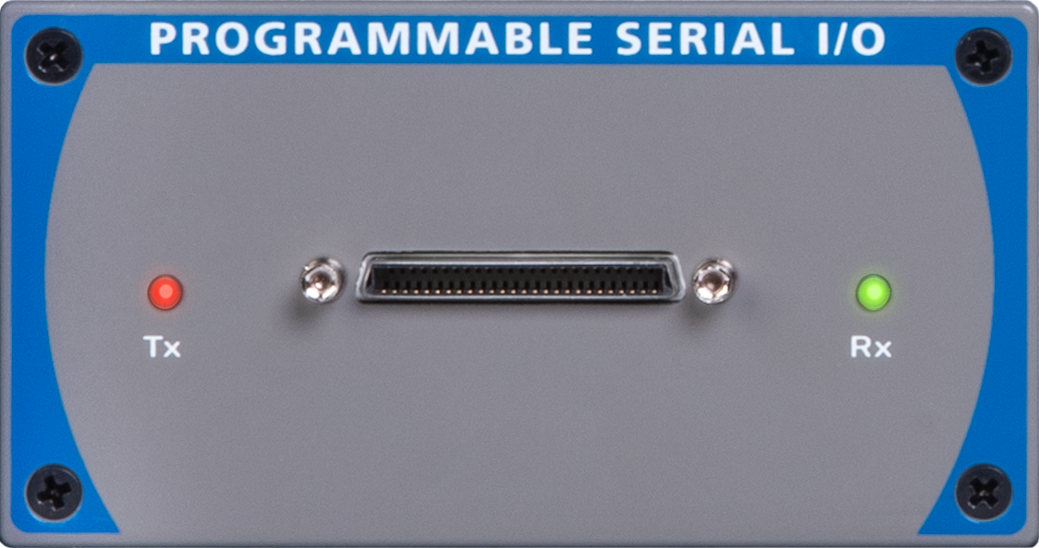
As digital audio systems evolve toward lower-voltage ICs, higher clock rates, and more complex serial formats, traditional serial I/O test interfaces can fall short of the specs that engineers need. The PSIO module solves these challenges with a modern architecture designed for the digital interfaces used by portable, battery-powered, and high-performance audio designs. It maintains full compatibility with the APx500 Digital Serial I/O (DSIO) while eliminating DSIO limitations around low-voltage support, cable length, pulse integrity, and rigid data formatting.
PSIO MODULE FEATURES
Product Highlights
The updated PSIO module is designed to address the practical limitations of legacy serial interfaces while enabling modern, low-power audio device validation.
PSIO CHARACTERISTICS
Module Performance
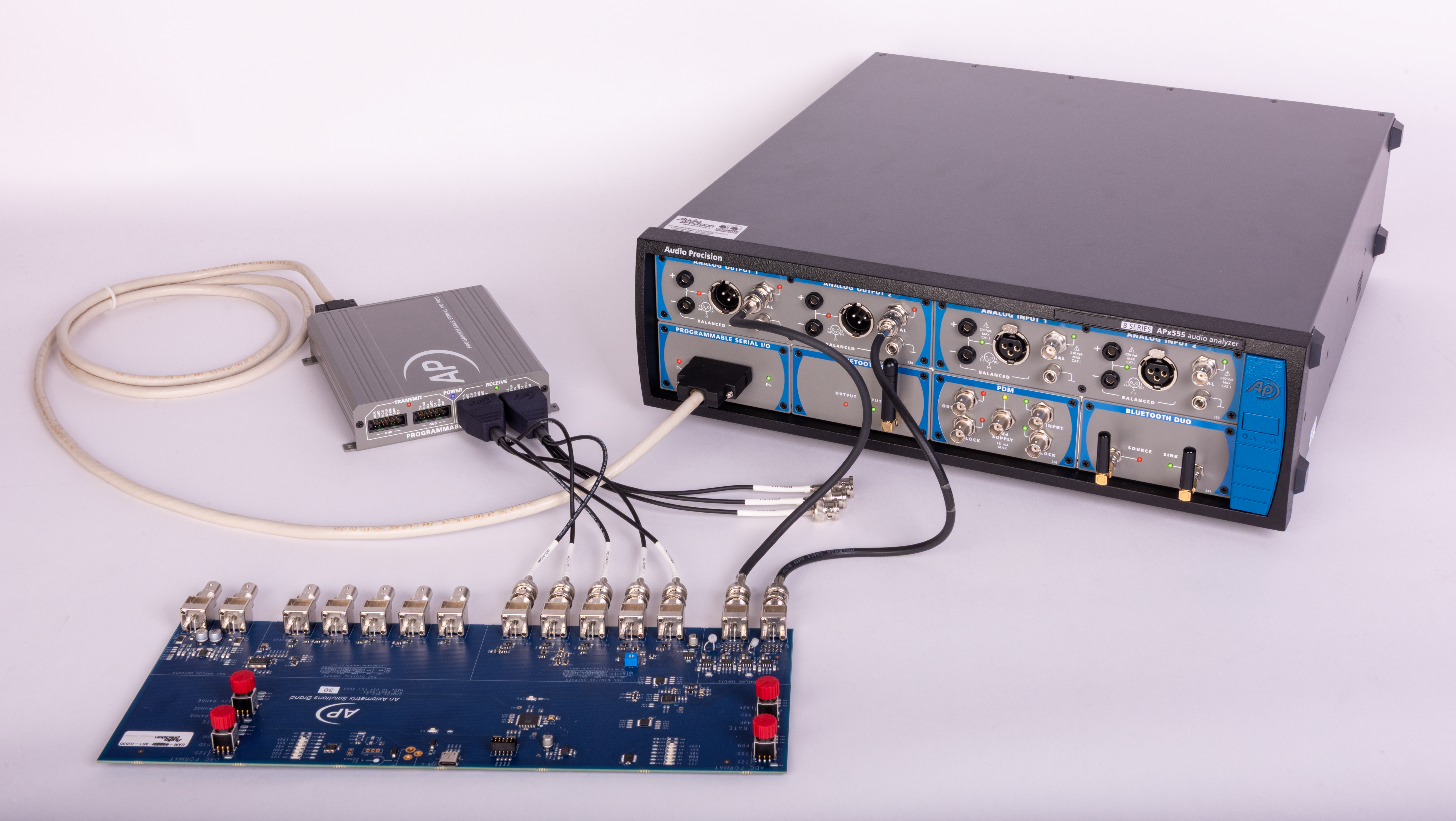
The flexibility of the PSIO module adapts to a wide range of embedded audio architectures, from low-power devices to multi-channel digital audio subsystems.
- Configurable logic levels: 1.2 V, 1.8 V, 2.5 V, 3.3 V, selectable or custom-defined from 500 mV to 3.3 V
- Supported bit depths: 8–32 bits
- Word widths: up to 256 bits
- Channel configurations: up to 16 channels
PSIO USE CASES
Ideal Applications
The PSIO module is designed to support a wide range of digital audio development, validation, and production workflows. It is particularly well suited for:
- Semiconductor audio-interface validation
- Embedded and SoC-based audio design
- R&D characterization of digital audio paths
- Automated production and regression testing
PSIO MODULE FAQs
Frequently Asked Questions
What audio formats does PSIO support?
PSIO connects directly to device serial digital audio ports including DSP’s, SoC’s, CODEC’s, DAC’s, and ADC’s and supports widely used formats such as I²S, left-justified, right-justified, and other custom data and clock configurations. By eliminating intermediate digital-audio components, engineers can characterize performance at the true electrical interface, ensuring accurate validation of clocks, data timing, and word formatting.
What makes the PSIO interface module ideal for sensitive measurements?
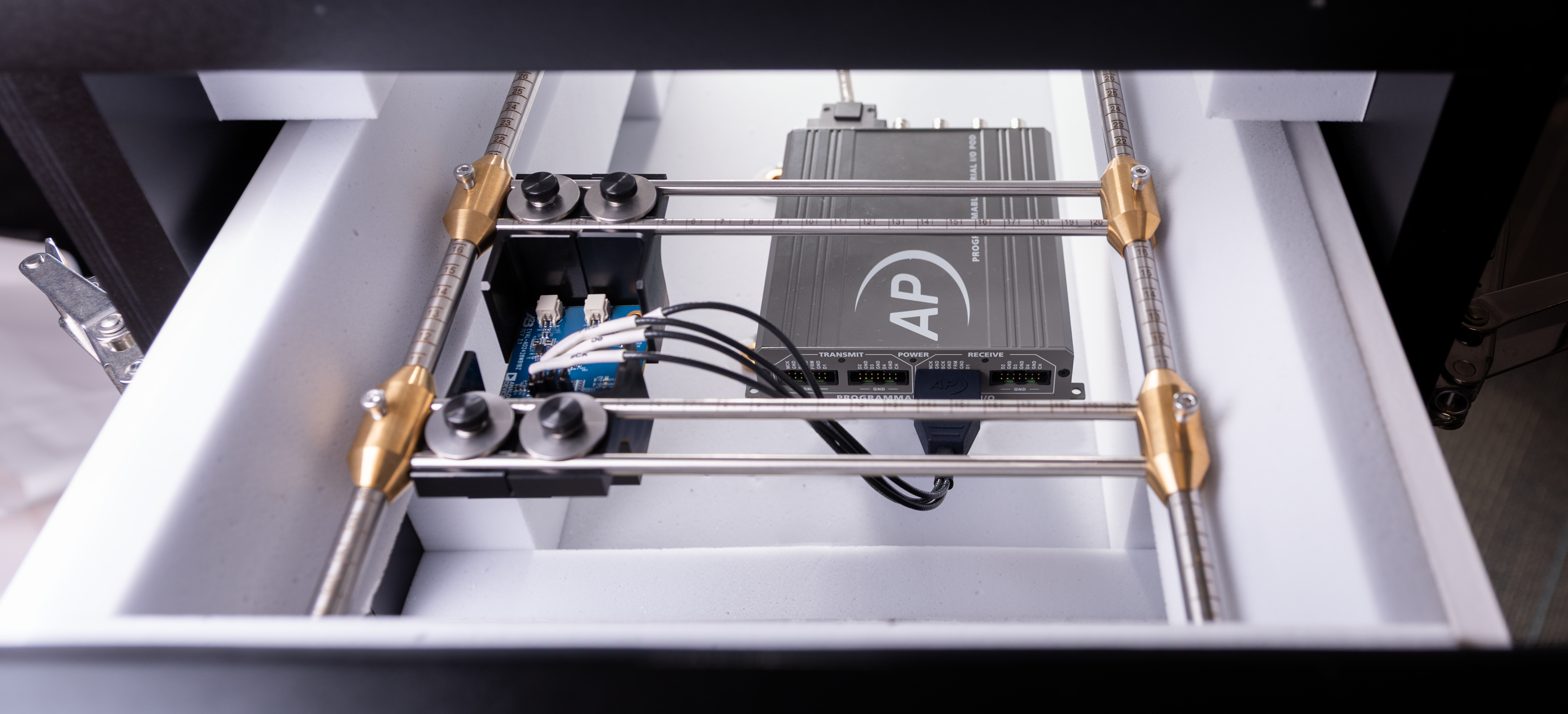
The high-impedance remote interface pod minimizes DUT loading, preserves signal integrity, and is acoustically silent, making it perfect for low-noise or anechoic chamber measurements.
How is the PSIO module different from the DSIO module I already own?
It features an updated architecture optimized for today’s SoC-centric audio systems, while maintaining compatibility with your current APx workflow. It supports lower logic voltages, improves signal integrity, and offers more flexible serial interface configurations than our legacy DSIO module.
CONNECT WITH OUR EXPERTS
Do you have additional questions or want to schedule a demo? Fill out the form below, and one of our experts will contact you.